
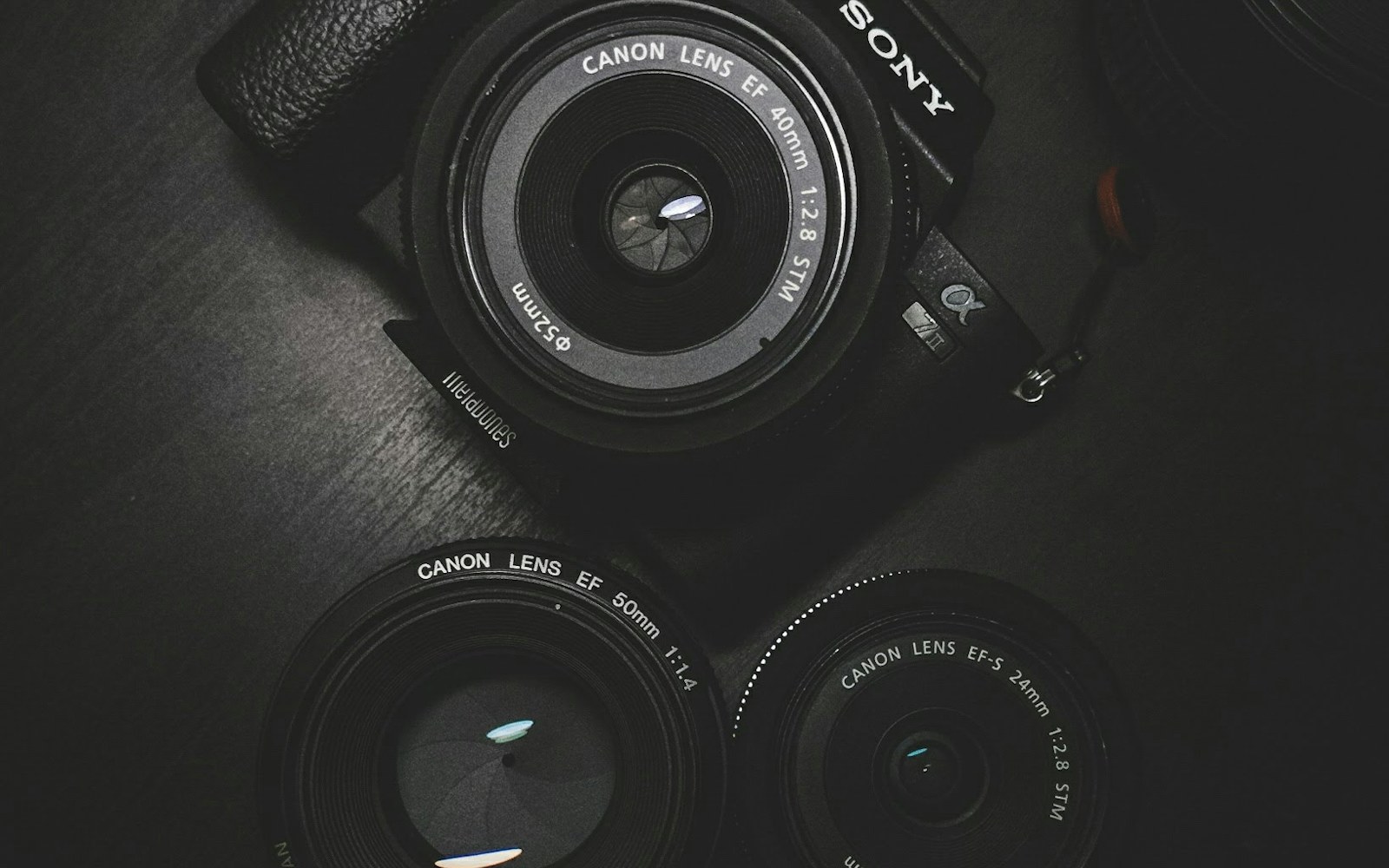
The compact-camera look is back because it feels human.
The polished mirrorless look is not going away, but a second visual language is getting attention: small-camera candids, direct flash, imperfect framing, motion, grain, and the feeling that someone inside the party made the picture. It works because it feels less staged.
The market signal is not only social. CIPA's 2026 outlook projects built-in lens digital camera shipments growing while interchangeable-lens camera shipments soften, with built-in lens cameras forecast at 2.77 million units for 2026. That does not mean every client wants a point-and-shoot aesthetic, but it does show renewed interest around compact cameras and everyday capture.
Treat compact-camera coverage as a lane.
Do not replace core event coverage with a trend. A compact camera is best used as a separate lane: cocktail candids, dance floor reactions, backstage energy, friends at tables, vendor moments, and social-first images that feel immediate.
The main photographer still protects the official record with reliable bodies, lenses, lighting, backups, and RAW files. The compact-camera lane adds texture. That separation keeps the client from confusing nostalgic style with incomplete coverage.
- Use it for candid atmosphere, not must-have ceremony moments.
- Assign one shooter or assistant so ownership is clear.
- Define whether the look is direct flash, film-like color, black and white, or lo-fi JPEG.
- Tell the client it is an add-on style, not the complete event archive.
- Deliver it as a named collection inside the gallery.
Set file rules before the event starts.
Compact workflows get messy when cards, phones, and cameras all produce different file names and time settings. Before the event, sync camera clocks, create a naming convention, and decide whether files are imported as JPEG-only previews or edited into a final set.
If the compact camera shoots JPEG, make peace with the baked-in look. If it shoots RAW, decide whether the extra editing time is worth it. The charm of this style often comes from speed, energy, and rough edges, not perfect retouching.
- Sync time across all cameras.
- Use a unique prefix for compact-camera files.
- Import into a separate collection before culling.
- Keep rejects out of the client gallery.
- Apply one consistent color preset if the set needs polish.
Deliver nostalgia inside a modern gallery.
The style can be nostalgic, but the delivery should not be. Guests still want mobile access, fast loading, QR discovery, and a clean way to find themselves. Google also recommends giving images useful context and keeping landing pages strong, which matters if these galleries or blog recaps are part of your public marketing.
A good gallery structure might include Official Highlights, Compact Camera Candids, Dance Floor, Friends and Guests, Details, and Video Matches. That lets the client enjoy the lo-fi look without losing the polished event story.
Where the compact look works best
- Afterparties, sangeet nights, cocktail hours, college fests, birthdays, launches, and music-led events.
- Couples or brands that already like editorial, candid, documentary, or retro references.
- Events where guests want quick social posts, not only formal albums.
- Packages where the add-on is priced as style coverage and fast delivery.
- Galleries where the collection is labeled clearly so the client understands the intent.
Where to be careful
Avoid promising the compact-camera look for every context. Some clients need clean press images, sponsor coverage, school-safe documentation, or formal family photos. Direct flash and imperfect framing can be charming in one scene and careless in another.
The safest offer is simple: "We can add a compact-camera candid set for atmosphere and social sharing while our main team handles official coverage." That keeps the trend useful without letting it take over the job.
Bottom line
The compact camera trend is a style opportunity, not a workflow excuse. Use it deliberately, keep the files organized, and deliver the nostalgic set inside a polished gallery where clients and guests can actually find the photos they love.