
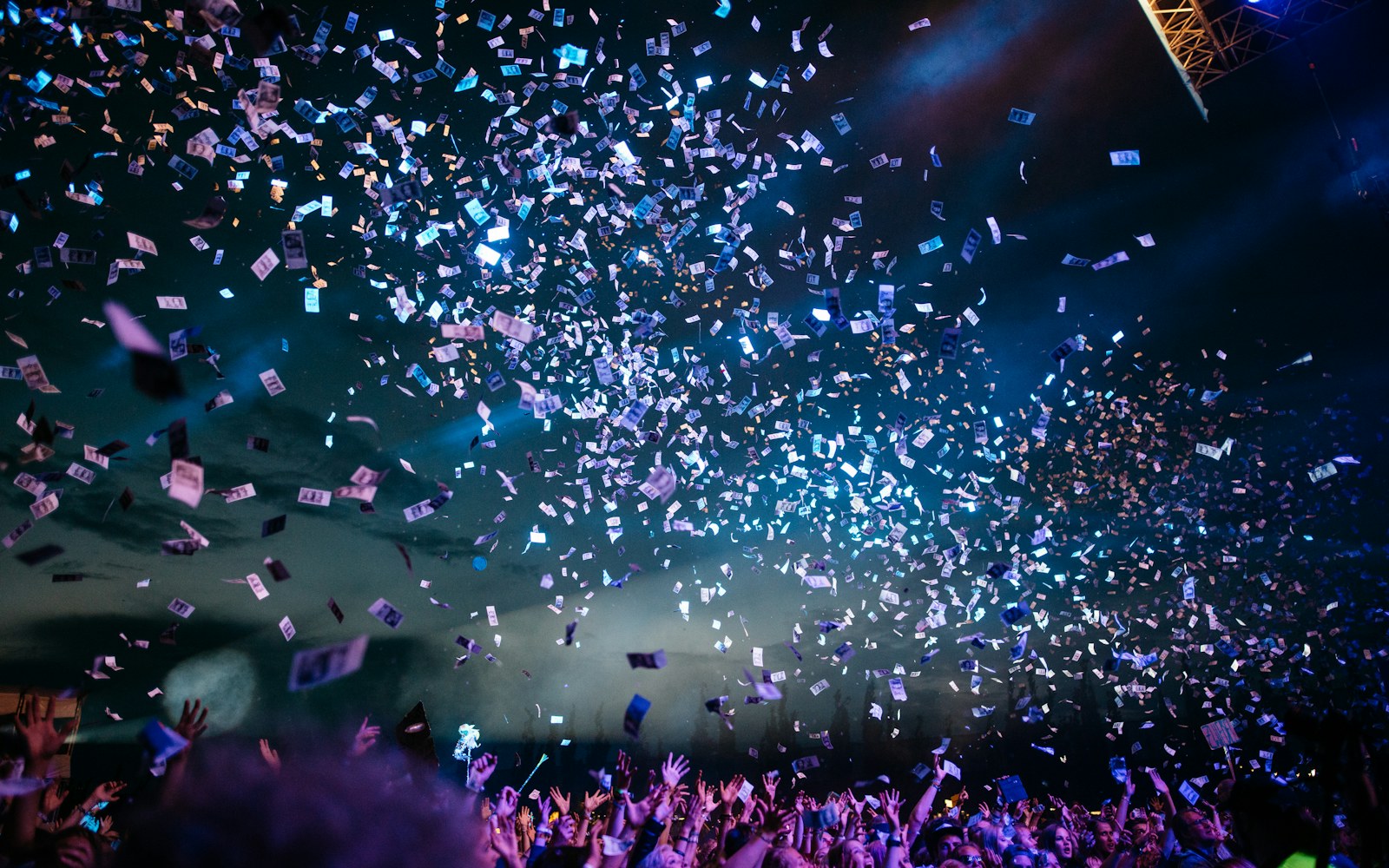
The gallery is becoming part of the event experience, not an afterthought.
For years, event photo delivery followed a predictable pattern: shoot the event, sort the files, upload a gallery, send one link, and hope guests were patient enough to scroll. That worked when galleries had a few hundred images. It breaks when a wedding, conference, college fest, marathon, or awards night produces thousands of photos and hours of video.
The current direction of event technology is clear: guests expect more personalized experiences, and organizers expect faster post-event content. Event trend reports from platforms like Cvent keep pointing to AI, personalization, and data-led attendee experiences as core operating themes. For event photography, that translates into a simple question: can every guest find their own memories without manual tagging?
AI face search changes photo delivery from a library problem into a personal retrieval problem. The guest does not need to know the filename, photographer, folder, or ceremony. They scan once, and the gallery should surface the photos and clips where they appear.
The modern AI event gallery workflow
A strong workflow starts before the first photo is taken. The event team creates the gallery, sets privacy, uploads a cover, prepares QR signage, and decides whether guest uploads are allowed. Photographers then upload official photos and videos during or after the event. Lensmora can index faces, keep media organized, and let guests search privately from the same public link.
- Create the event page early so QR links can go on invites, welcome boards, table cards, registration desks, and LED screens.
- Upload official photos and videos once, then let AI build the searchable layer in the background.
- Use face search for both photos and cinematic video frames so reels and clips are not excluded from discovery.
- Keep a Highlights collection for curated storytelling and an All gallery for complete access.
- Let guests like photos so the studio receives useful selection signals instead of screenshots and WhatsApp filenames.
Video face search is the next practical unlock.
Most face-search galleries stop at photos. That leaves a gap because many emotional moments now live inside cinematic videos, reels, entrance clips, sangeet performances, speeches, finish-line footage, and conference aftermovies. If a guest appears for three seconds inside a highlight film, they should be able to find that appearance too.
The practical approach is not to make guests watch every clip. The better pattern is to index representative video frames, connect those appearances to the source video, and show video matches alongside photo matches. This makes video delivery searchable without asking editors to manually tag every person.
Accuracy still matters. Public benchmark work such as the NIST Face Recognition Technology Evaluation is useful because it reminds teams that face recognition is a measurable system, not magic. Product design should account for confidence, lighting, repeated faces, children, sunglasses, motion blur, and opt-out expectations.
A privacy checklist for face-search galleries
Face search is powerful, so the experience should be conservative by default. In India, privacy planning should consider the Digital Personal Data Protection framework and the basic operating principles behind consent, purpose limitation, retention, and user control. This is not legal advice, but it is a useful product checklist.
- Tell guests why a selfie is requested and what it is used for.
- Use the selfie for private search, not public profile exposure.
- Do not require login just to see temporary search results.
- Give organizers control over public, private, and highlights-only access.
- Set retention windows for free or temporary event galleries.
- Avoid exposing face clusters or identity labels to other guests.
What photographers and organizers should measure
A good AI gallery should produce operational signals, not just pretty pages. Track how many guests scanned, how many matches were found, which media got liked, how often QR links were opened, and whether video matches increased engagement. These numbers help a studio prove that delivery quality improved, and they help event organizers show sponsors or stakeholders that content reached attendees.
For photographers, the business value is reduced support work. Fewer "where are my photos?" messages. Fewer manual folders. Fewer client spreadsheets. Faster selection exports. For organizers, the value is attendee delight and brand distribution. A guest who finds a great photo quickly is more likely to share it while the event is still fresh.
Bottom line
AI event photo sharing in 2026 is not just about face recognition. It is about the complete delivery loop: QR access, private search, photo and video indexing, curated highlights, guest uploads, likes, downloads, and clear privacy controls. The teams that win will be the ones that make discovery feel instant while keeping the workflow professional behind the scenes.